Spotting trouble early
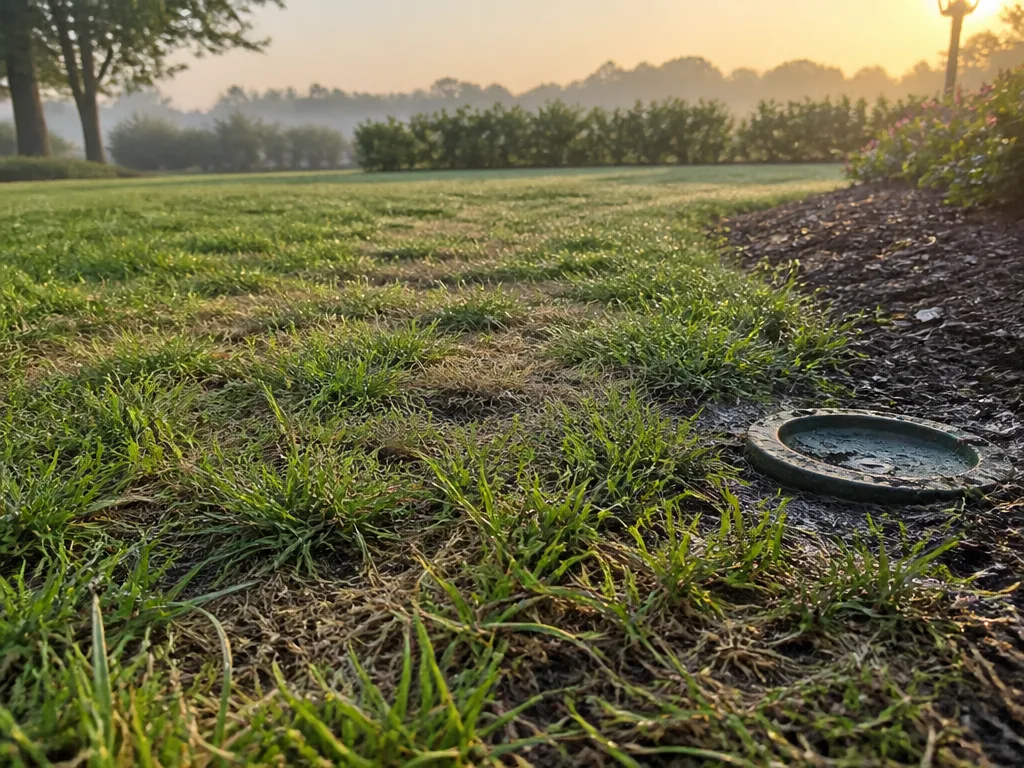
Across South Carolina, a healthy lawn signals itself with uniform color and steady growth. When you start noticing uneven patches, thinning grass, or a dull green hue, it’s a cue to pause and assess. Our team of lawn care specialists often sees early warning signs that homeowners miss, like a sudden shift from a vibrant carpet to splotchy, mossy areas after a stretch of heavy rain. In South Carolina’s humid climate, the mix of heat and moisture can push some problems from subtle to obvious in a matter of weeks.
Look for yellowing blades at the edges of lawns, footprints that stay darker after a sunshower, or grass that doesn’t recover after mowing. These are not just cosmetic issues; they can indicate soil compaction, dry zones under shade, or nutrient imbalances. If you notice more than a few spots, it’s time to bring in a lawn care specialist who has experience across every corner of South Carolina.
What it usually means
Most warning signs point to underlying conditions. Heat stress can cause yellowing in mid to late summer. Poor drainage shows up as moss or puddling after rain. Compacted soil often appears after foot traffic or kids’ play, leaving roots starved of air and water. Our crews in South Carolina routinely find that adjusting watering patterns, improving soil structure, and addressing nutrients with a balanced program stops problems before they spread.
Begin by checking the basic needs: moisture, light, and soil quality. If the lawn has obvious wear under sheds or trees, or if there are persistent thin patches, the cause is usually localized and fixable with targeted care and adjustments to mowing height.
First steps you can take
Keep a simple three-step check in your calendar every 4–6 weeks during the growing season. Step one, observe color and growth patterns across the entire lawn. Step two, test soil in a representative area to gauge pH and nutrient levels. Step three, adjust mowing height to reduce stress and encourage root growth.
Across South Carolina, soil varies from coastal sands to inland clays. A general rule is to raise mowing height a notch when heat spikes hit and to water deeply but less often to encourage deeper roots. If you’re unsure, our lawn care specialists can assess your lawn and explain what the signs mean for your property.
When to call a lawn care specialist
If you see persistent thinning, widespread yellowing, or patches that won’t green up after 2–3 weeks of proper care, it’s time to bring in help. A professional can diagnose soil issues, recommend a balanced feeding plan, and tailor a plan for South Carolina’s climate. We work statewide and are ready to serve homeowners wherever you are in South Carolina.